Video Killed The Radio Star

“In my mind and in my car, we can’t rewind we’ve gone too far”. These lyrics from the Buggle’s 1979 smash hit do well to summarize the impact that technology has had on the music industry.

As the song suggests, many artists who gained success through their vocal talent were unable to keep up with the new standard of the industry and thus fell to the wayside.

At 12:01 am on August 1, 1981, MTV made history when they aired the first ever music video, ironically being a song titled Video killed the radio star. This changed the game immensely. Instead of being able to strive in the music industry solely on the level of vocal skill an artist had, there was now a demand for image and presence. The prominence of television allowed for musical acts to captivate the public through both music and visuals, presenting the opportunity of more potential success.

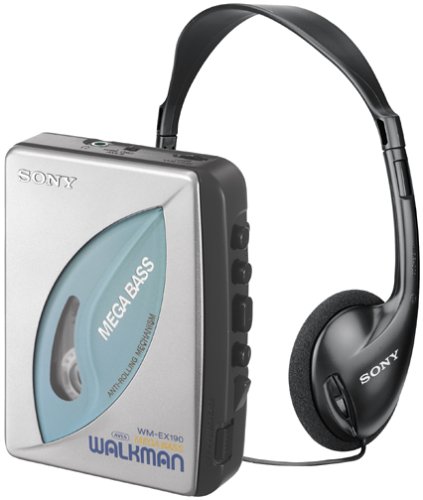
As time passes, we see even more ways that technology is changing the way music is created and distributed. The invention of mp3s allowed for individuals to easily store a wide catalogue of music in an efficient way. The invention of the musical telegraph in 1876 became the basis of synthesizers that are used to this day.
We see history repeat itself in more recent years. The music industry was dramatically changed again with the prominence of streaming. The world wide web has allowed artists to strive on their own without help from a record label. One of the first instances of this is the rise of rapper Soulja Boy.

In 2007 at age 16 Soulja released his song “Crank Dat” to Youtube. Shortly after he experienced an incredible amount of success, receiving millions of views within months.

The growth of streaming services and the increased integration of them into technology has been extremely beneficial to the industry but this change has also had the same effect that the rise of music videos had. Many older artists with older audiences who are accustomed to purchasing music in the traditional way (physical copies) have a hard time making it onto the top charts despite their music being bought and tickets being sold.

Evolution and Edge

The world has changed tremendously within the last 100 years. Advancements in technology such as the invention of computers, smartphones, electronic T.V’s and more have changed the way we function as a society. Technological advancements have allowed for music to be created and shared very easily and efficiently.

Music is able to evolve through an artists willingness to go against the grain and bring new ideas forward. This combined with the availability of new music related technology allow artists to create complex high quality sounds. Examining popular genres from different decades can show the prominence of technology in music.

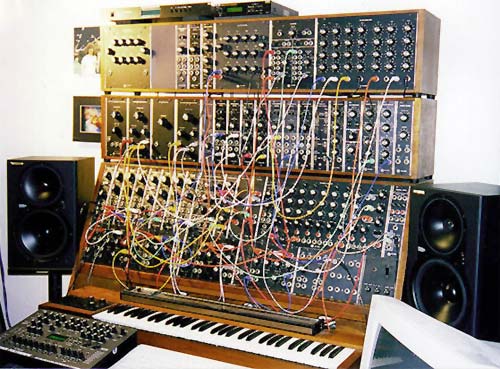
Synth Pop – Although the synthesizer had been invented in 1876, a new wave of pop music that utilized synths became popular in the late 70’s. Synthesizers changed the way music was made as producers were now able to design sounds to their liking with very wide boundaries.

The use of the moog synthesizers was the foundation of most synth pop.

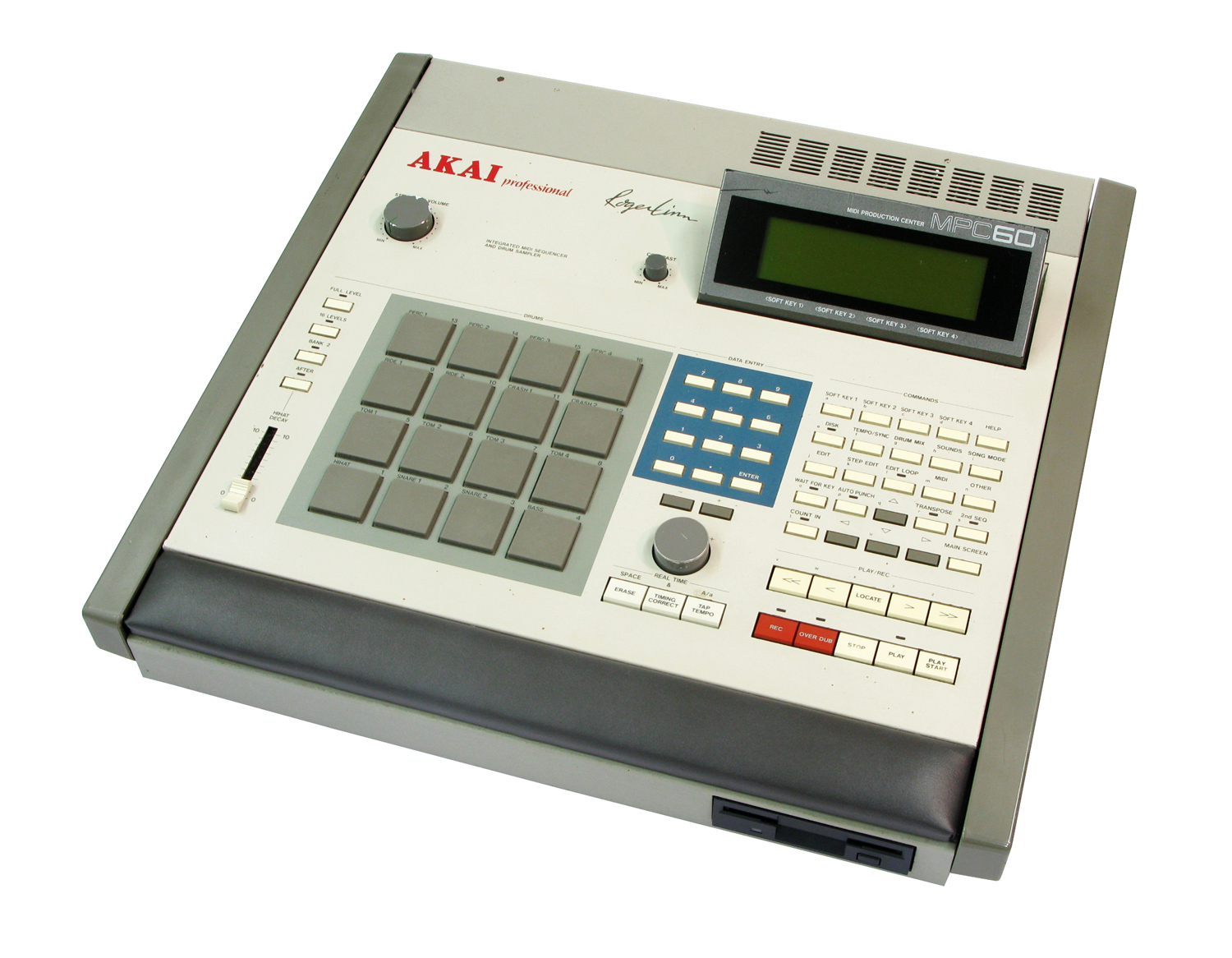
Hip- Hop -Hip- Hop music gained popularity in the late 70’s. The sampler was an integral part of this genre and still is. Products like the Akai MPC allowed for producers to chop up bits of records (predominately soul/motown era songs), and add drums and other sounds to create new music by recycling parts of other music.

The akai MPC was and still is a very important part of hip- hop production

Rock, Pop and Rnb- A piece of technology that is often overlooked when speaking of revolutionary musical hardware is the talk box. In short, the talk box allows for an artists to change the harmonic content of their instrument which gives the effect of them “talking through it”. Peter Frampton and Stevie Wonder are two early adopters of this technology. This device was and is still used by a variety of artists.

Stevie Wonder shows off the capabilities of this device through his rendition of the Carpenters song Close to You.

Justified Hiatus

Music can be a demanding business. Tours, recording and being in the spotlight can be very physically and mentally draining. This can explain why some of our favourite artists hold out on releasing music for extended periods of time.

Tame Impala began to gain mainstream success in 2012. The world was astonished by their reinvention of the psychedelic rock genre.

Many criticize Tame Impala’s earlier work, stating that they sound like a modern Beatles’s cover band.

With their latest release being in 2015 and their increase in popularity attributed to their contribution to other popular albums, fans have been longing for a new release from the outfit.

Despite the long wait, it seems that fans are able to understand it. Tame Impala consists of one member: Kevin Parker. He essentially records and mixes every layer you hear on their tracks. With a quick listen to any song by them it can be gathered that their music is very instrumentally rich. It is understandable that Kevin takes a longer time to create these deep, introspective, and technology complex songs all by himself.

In an Instagram post on November 10, 2018, Kevin revealed the home he had been producing in as well as majority of his musical gear had been destroyed in a fire. This may also contribute to the delay of a new album.

Kevin mentions he was able to escape with his laptop. Regardless of this, the destruction of musical hardware can create a bulwark in an artist’s creative journey

Similar to Tame Impala’s Kevin Parker, popular rapper Earl Sweatshirt took a three year hiatus from 2015 to 2018.

Earl has been very open about his struggles with depression as well as the pain he suffered from his father’s passing. These factors contributed to the large amount of time between his latest release Some Rap Songs (2018) and his previous one I Don’t Like Sh*t, I Don’t Go Outside (2014). Many of these hardships are illustrated through Earl’s lyrics on his new album.

This track illustrates Earl’s fight with anxiety and depression throughout his career. Earl produced the majority of the songs on this album, including this one under his producer alter ego “randomblackdude”. His desire to produce the instrumentals himself contributed to the large amount of time spent before releasing this album.

There are many contributing factors for why an artist would take a break from releasing music. Although it may at times be troubling to fans, it often turns out to be worth the wait.

Hardware and Software Essentials for an aspiring Music Producer

Advancements in technology have made it much easier for people to create, record, and release music. Musical software has made it possible for any individual who has access to a computer to become a gifted music producer even if they have little to no knowledge and experience of music theory.

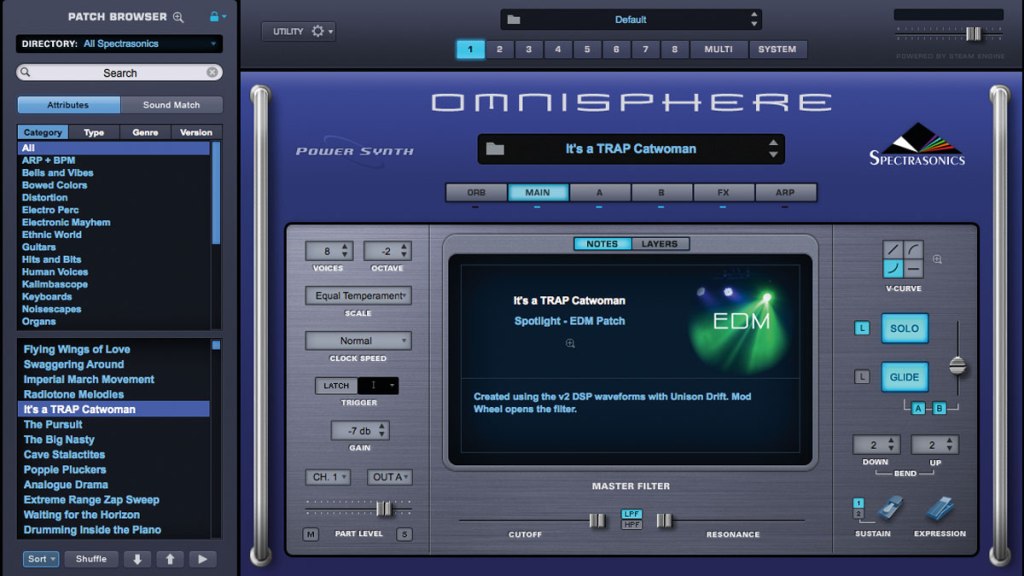
Spectrasonics Omnisphere 2.5– Omnisphere 2.5 is a VST (Virtual Studio Technology) plugin designed to give users an immersive interface with very wide spectrum when it comes to sound design. Complete with over 2000 stock sounds, users are given everything and anything one would desire from a music production software. Users are able to manipulate waveforms, layer sounds, create arpeggios, modulate sounds and more. Compatible with all DAWs (Digital Audio Workstations), Omnisphere is a great choice for anyone producing music of any genre.

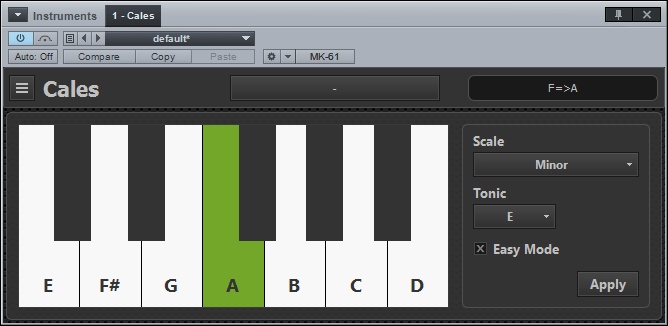
Cales- A free VST plugin with a basic design, it may surprise some with how much it is capable of. As mentioned earlier, technology has advanced to the point that a person without knowledge of music theory can make great music with the help of software like this one. The biggest problem for upcoming producers is the inability to play in musical key. Cales allows you to choose a scale that you would like to play in and then reroutes your keyboard to only play notes in that scale.


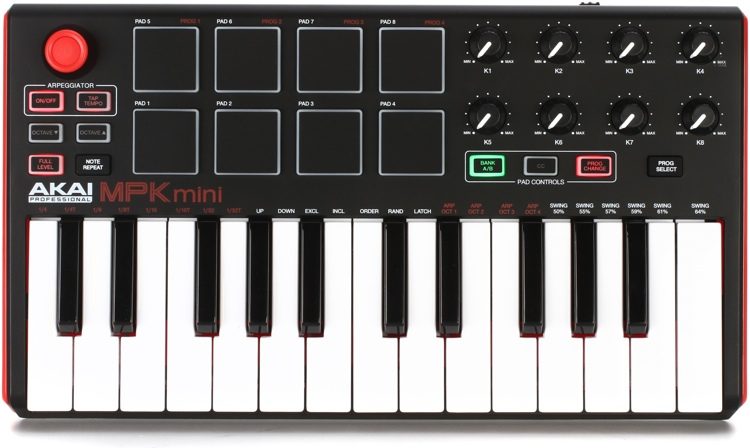
Akai MPK Mini- Akai has a great reputation in the music industry. They were one of the first companies to begin production of the MPC sampler. The MPK2 is a keyboard with many functions, including sampler pads, effect control knobs, a pitch control stick, and a built in arpeggiator. It also includes three downloadable VST plugins that contain industry quality sounds. What’s so amazing about this product is its portability. It comes in handy for any producer who would like to make music on the go or does not have enough space for a larger keyboard.

Seagate 2TB External Hard Drive– This product is not directly music related, but is very important for any artist. Many programs like the ones I have mentioned can be very demanding on your computer. With an External Hard drive you can free up memory on your device and also back up any files that you would not like to lose. Anything over two terabytes will suffice in storing copious amounts of data.

With these items, nothing is holding you back from being the next big thing. Many popular songs that you may hear on the radio were created in a bedroom with these tools.

This video shows popular artist Juice Wrld recording lyrics for his song “All Girls are the Same” in a bedroom. Shortly after this video, he became one of the biggest artists in the world with his breakout song Lucid Dreams.